Guide · Decoration methods
Screen Printing vs DTF
How each one works, what it costs, how it feels and lasts, and which to choose for your order.
The short answer
- Screen printing is usually the best value for larger runs of the same design with a limited number of colours. It's bold, durable and the classic choice for team, staff and retail apparel.
- DTF printing (direct-to-film, applied with a heat press) is best for full-colour or detailed designs, smaller quantities, and orders with different designs or names on each piece.
- Not sure? Send us your artwork and quantities. We'll recommend the method that gives you the best result for your budget, and show you a mockup first.
How screen printing works
Screen printing pushes ink through a fine mesh screen onto the garment. Each colour in your design gets its own screen, and the colours are printed one layer at a time.
Because every screen has to be prepared and lined up before printing starts, there's a setup cost for each colour. Once the press is set up, though, each extra shirt is quick to print. That's why screen printing gets more cost-effective the more pieces you order.
- Great at: bold logos, solid colours, large runs, retail-quality tees and hoodies
- Less ideal for: photos, gradients, lots of colours, or very small quantities
How DTF printing and heat pressing work
DTF stands for direct-to-film. Your design is printed in full colour onto a special film, coated with an adhesive powder and cured. The finished transfer is then applied to the garment with a heat press, which uses heat and pressure to bond it to the fabric.
There are no screens to set up, so the cost doesn't climb with the number of colours. A full-colour logo costs about the same to print as a one-colour logo, which makes DTF ideal for detailed artwork and smaller runs.
- Great at: full-colour and detailed designs, gradients, small runs, individual names, and a wide range of fabrics including cotton, polyester and blends
- Less ideal for: very large runs of a simple design, where screen printing usually wins on price per piece
Heat transfers is the broader term for any design applied with a heat press. DTF is the most versatile type, which is why it's become so popular for custom apparel.
Side-by-side comparison
A quick way to compare the two methods. Every order is different, so we'll confirm the best option for yours.
| Screen printing | DTF printing | |
|---|---|---|
| Best quantity | Larger runs of the same design | Small to medium runs, or mixed designs |
| Colours | Best with a limited number of solid colours | Unlimited colours at no extra cost |
| Detail & gradients | Good for bold artwork; fine gradients are harder | Excellent for photos, gradients and fine detail |
| Setup | A screen for each colour | No screens; printed straight from your file |
| Price per piece | Drops as quantity goes up | Stays fairly steady at any quantity |
| Feel | Ink becomes part of the fabric; classic printed feel | A thin, flexible layer on top of the fabric |
| Durability | Very durable; the long-time standard for workwear and team gear | Durable and stretchy when applied correctly and cared for |
| Fabrics | Best on cotton and cotton blends | Cotton, polyester, blends and more |
| Names & personalization | Not practical piece by piece | Easy to change designs or names on each piece |
Which should you choose?
Some common situations and what we'd usually recommend.
A big run of team or staff shirts
Same one- or two-colour logo on every shirt? Screen printing usually gives you the best price per piece and a classic finish.
A small order with a full-colour logo
Detailed or multi-colour artwork on a smaller run? DTF keeps every colour sharp without screen setup costs.
Names or different designs on each piece
Personalized pieces or several designs in one order are simple with DTF.
A retail drop or merch line
For bigger runs of a strong graphic, screen printing gives a premium retail feel. For smaller test runs or detailed art, DTF.
Polyester, performance or mixed fabrics
DTF works on a wider range of fabrics, which makes it handy for athletic and technical wear.
Not sure yet
Send us your artwork and quantity. We'll recommend a method and show you a mockup before anything is made.
Real examples
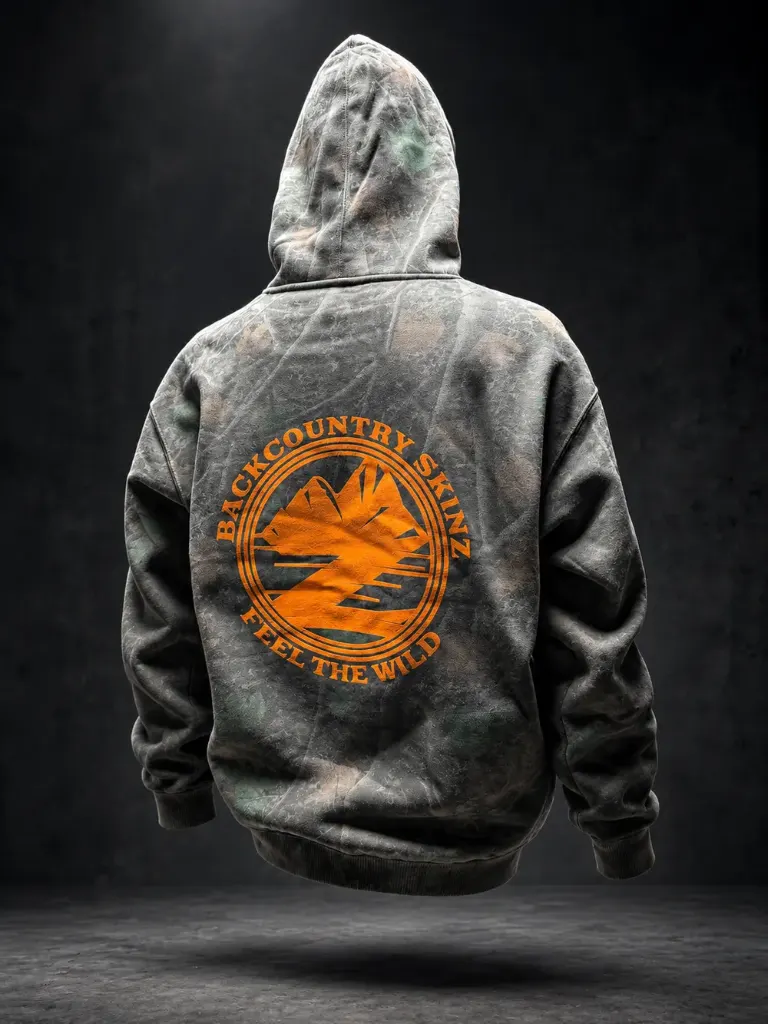
A few recent projects that show each method in action. See more on Our Work.
How to make your print last
Whichever method you choose, a little care keeps prints looking new for longer:
- Wash inside out in cold water
- Hang dry or tumble dry on low
- Don't iron directly over the print
- Skip bleach and harsh detergents
Common questions
Is DTF as durable as screen printing?
Both are durable when done properly. Screen printing has long been the standard for heavy-use workwear and team gear. Quality DTF transfers, applied with the right heat, pressure and time, also hold up well wash after wash. Following the care tips above helps either one last.
Which is cheaper?
It depends on quantity and colours. Screen printing has setup costs for each colour, so it usually becomes the better value on larger runs. DTF has no screen setup, so it's often better value for small runs and full-colour designs.
Can you use both on one order?
Yes. For example, a screen printed front logo with DTF names on the back, or screen printed tees alongside DTF printed performance shirts. We'll suggest the best mix.
What's the minimum order?
Minimums start as low as 12 pieces on select products and vary by item and decoration method.
Do I need special artwork files?
Send us what you have. We vectorize existing logos so they print cleanly, and we show you a mockup before production. We don't offer new logo design.
Can you print on products I already have?
We don't decorate customer-supplied items. We source every product ourselves so we can stand behind the quality.
Not sure which method fits?
Send us your artwork and quantities. We'll recommend the best option and send a mockup.